 By
By The gaming industry has undergone a revolutionary transformation with the emergence of play-to-earn (P2E) games powered by blockchain technology. These NFT games allow players to earn real value through gameplay, trading, and in-game asset ownership—a stark contrast to traditional gaming where time and money invested rarely translate to tangible returns. For German gamers and investors, understanding this evolving landscape presents both exciting opportunities and important considerations around regulation, taxation, and risk management.
This comprehensive guide explores the top NFT games available in 2024, examines how the play-to-earn economy functions, and provides actionable insights for those looking to enter this space responsibly.
Understanding NFT Games and the Play-to-Earn Model
NFT games represent a paradigm shift in digital gaming, combining blockchain technology with interactive gameplay to create real economic value. Unlike conventional games where developers retain full ownership of in-game items, NFT games utilize non-fungible tokens to grant players true ownership of their digital assets. This ownership extends beyond the game itself, allowing players to transfer, sell, or trade their items on various marketplaces.
The play-to-earn model fundamentally changes the relationship between players and games. In traditional gaming, time invested translates to in-game currency or items that hold value only within that specific game’s ecosystem. NFT games break these boundaries by enabling players to earn cryptocurrency or tradeable NFT assets that have real-world monetary value. According to industry data from various market analyses, the global blockchain gaming market has grown exponentially, with play-to-earn games driving significant adoption across Asia, Europe, and North America.
How the Economy Works
The economic engine behind NFT games typically operates on several interconnected mechanisms. Players earn rewards through various activities: completing missions, winning battles, participating in tournaments, or simply logging in daily. These rewards often come in the form of native tokens or game-specific NFTs that can be sold on secondary markets.
However, understanding the economic model requires acknowledging its volatility. Game tokens fluctuate based on market demand, player base growth, and broader cryptocurrency market conditions. Many successful early players in games like Axie Infinity earned substantial returns, but subsequent market corrections demonstrated the risks involved. The “tokenomics” of each game—the supply, distribution, and utility of their native currencies—significantly impacts earning potential and sustainability.
Key Terminology
Before exploring specific games, familiarizing yourself with essential terminology helps navigate this space effectively. Gas fees refer to transaction costs on blockchain networks, which can significantly impact profitability, especially during network congestion. Yield farming in the gaming context involves strategies to maximize returns from in-game assets, often involving staking or providing liquidity. P2E simply denotes play-to-earn, while NFT represents unique digital tokens verifying ownership of in-game items.
Top NFT Games to Play and Earn in 2024
The landscape of profitable NFT games has evolved substantially since the initial boom of 2021-2022. While early pioneers laid the groundwork, 2024 offers more sophisticated gameplay experiences with improved tokenomics and more sustainable economic models.
Axie Infinity
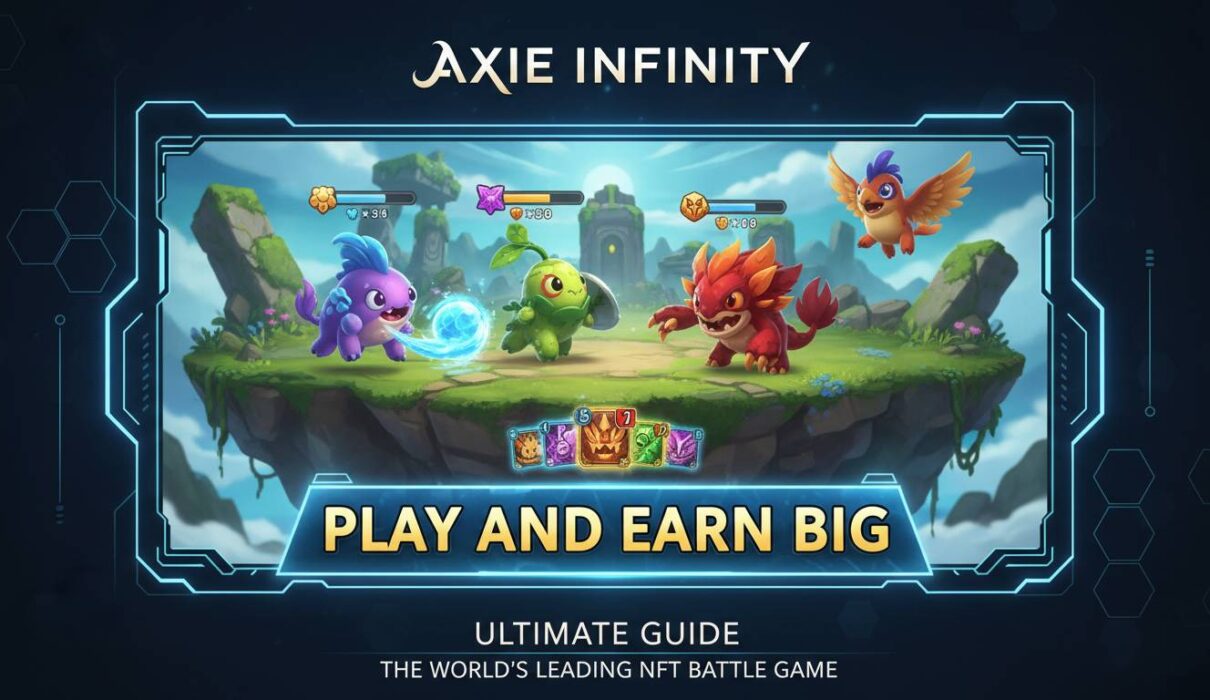
Axie Infinity remains one of the most recognizable names in the play-to-earn space, having pioneered many concepts that others later adopted. This creature-collecting RPG allows players to build teams of digital pets called Axies, each represented as an NFT with unique attributes and abilities. Players battle their Axies against other players to earn Smooth Love Potions (SLP), the game’s native token.
The game underwent significant changes following a major security incident in 2022, which led to substantial economic restructuring. The updated version, Axie Infinity: Origin, features improved tokenomics and more accessible gameplay mechanics. While the earning potential has decreased from peak levels, dedicated players can still generate returns through consistent gameplay and strategic Axie management.
Best for: Players who enjoy turn-based strategy and team-building mechanics.
The Sandbox
The Sandbox represents a different approach to NFT gaming, offering a virtual world where players can create, own, and monetize their gaming experiences. This user-generated content platform operates on the Ethereum blockchain, allowing creators to design games, experiences, and digital assets using the platform’s intuitive tools.
The ecosystem revolves around LAND parcels (NFTs representing virtual real estate) and SAND tokens (the platform’s currency). Players can host events, create mini-games, or simply explore experiences built by others. While direct earning requires significant investment in LAND or creative skill development, The Sandbox offers diverse opportunities for monetization through asset creation and event hosting.
Best for: Creative players interested in building virtual experiences and virtual real estate investors.
Decentraland
Decentraland functions as another prominent virtual world platform, offering a fully decentralized environment where users can purchase LAND, build applications, and interact with others. The MANA token powers the ecosystem, enabling transactions, voting on platform proposals, and purchasing in-game assets.
The platform hosts various events, from concerts to fashion shows, creating economic opportunities for content creators and LAND owners. Annual events like Fashion Week attract significant attention, demonstrating the potential for commercial activities within the metaverse. However, entering Decentraland requires substantial initial investment for LAND parcels, making it more suitable for serious investors than casual players.
Best for: Investors seeking exposure to virtual real estate and event organizers.
Gods Unchained
For players preferring traditional gaming formats, Gods Unchained offers a free-to-play trading card game experience with NFT integration. Unlike most NFT games requiring upfront investment, players can begin without purchasing cards, though competitive play benefits from acquiring powerful NFTs.
The game mirrors popular CCGs like Magic: The Gathering or Hearthstone, with players building decks and battling opponents. NFT cards can be traded on various marketplaces, with some rare cards selling for significant amounts. Players earn rewards through ranked play, with the Flux token enabling card minting and governance participation.
Best for: Trading card game enthusiasts wanting NFT ownership without substantial initial investment.
Illuvium
Illuvium represents the next generation of AAA-quality blockchain games, featuring stunning graphics and an expansive open-world experience. This auto-battler RPG allows players to capture and collect creatures called Illuvials, each with unique abilities and characteristics.
The game’s economy centers on the ILV token, which rewards players through various mechanisms including gameplay achievements, NFT trading fees, and ecosystem participation. Illuvium’s focus on high-quality production values and sustainable tokenomics distinguishes it from earlier P2E games that prioritized earning mechanics over gameplay quality.
Best for: Players seeking immersive RPG experiences with production quality comparable to traditional gaming.
Splinterlands
Splinterlands offers a more accessible entry point to NFT gaming through its digital trading card ecosystem. The game operates on multiple blockchains and has attracted millions of players through its accessible gameplay and low barrier to entry.
Players can earn SPS tokens through battle victories, collecting, and participating in governance. The rental system allows players to borrow cards from others, reducing the need for significant upfront investment. This innovation addresses one of the biggest barriers to entry in NFT gaming—the initial capital required to purchase competitive assets.
Best for: Casual gamers and those seeking low-investment entry into NFT gaming.
Alien Worlds
Alien Worlds combines strategy simulation with NFT collection, tasking players with managing virtual planets and mining for Tracer (TRL) tokens. The game operates across multiple blockchains and encourages players to participate in planetary governance, creating an engaging economic simulation.
The game successfully attracts casual players through its mining mechanics, which require minimal active gameplay while still offering earning opportunities. Strategic planet selection and delegation to other players’ planets can maximize returns, creating depth for more engaged participants.
Best for: Players interested in simulation mechanics and gradual, low-effort earning.
Getting Started with NFT Gaming
Beginning your journey into NFT gaming requires careful consideration of several factors beyond simply selecting a game. Understanding the technical requirements, financial commitments, and time investments helps set realistic expectations.
Setting Up Your Digital Wallet
Before playing any NFT game, you’ll need a cryptocurrency wallet compatible with the game’s blockchain. MetaMask serves as the most widely supported option, working with Ethereum, Polygon, Binance Smart Chain, and other networks. For games on alternative blockchains, you’ll need wallets supporting those specific networks.
Security considerations cannot be overstated. Hardware wallets provide the highest security level for storing valuable NFTs and tokens, while software wallets offer convenience but require rigorous security practices. Enable two-factor authentication wherever possible, never share seed phrases, and verify all transaction details before confirming.
Understanding Initial Investment Requirements
The capital required to start playing varies dramatically between games. Some games like Gods Unchained and Splinterlands allow entry with minimal investment or even free play, while others like The Sandbox and Decentraland require substantial LAND purchases before meaningful earning can begin.
For most players, starting with games that don’t require initial purchases provides the best path to understanding the mechanics without financial risk. Axie Infinity’s scholarship system, where established players lend their Axies to new players in exchange for a share of earnings, offers another low-entry option for dedicated players willing to invest time over capital.
Time and Effort Considerations
Realistic earning expectations require understanding the time commitment involved. Most NFT games require significant daily engagement to generate meaningful returns—often several hours for competitive play. The break-even point for initial investments can take weeks or months, depending on token values and gameplay skill.
German players should also consider the tax implications of gaming earnings. Cryptocurrency gains in Germany may be subject to taxation after one year if held as private assets, though specific rules around NFT gaming income require careful consideration and potentially professional tax advice.
Risks and Important Considerations
The play-to-earn model, while promising, carries substantial risks that prospective players must understand fully.
Market Volatility
NFT game tokens represent highly speculative assets. The value of earnings can fluctuate dramatically based on broader crypto market conditions, game-specific developments, and player base changes. Many games that offered substantial earnings in 2021 experienced 90% or greater token value declines as the market normalized. Never invest more than you can afford to lose, and consider the time value of your gameplay investment.
Regulatory Uncertainty
The regulatory landscape for blockchain gaming remains evolving, particularly in Europe following MiCA (Markets in Crypto-Assets) regulations. German players should stay informed about potential regulatory changes that could impact token ownership, trading, or gaming mechanics. Games that operate in gray areas may face sudden changes or discontinuation.
Scams and Security Threats
The NFT gaming space attracts numerous scams, from fake airdrops to phishing attacks and fraudulent games. Only connect your wallet to verified game sites, never share seed phrases regardless of supposed support requests, and thoroughly research any game before investing time or money. The irreversible nature of blockchain transactions means mistakes often cannot be recovered.
Sustainability Concerns
Many early P2E games proved economically unsustainable, with token emissions exceeding player demand. Look for games with balanced tokenomics, active development teams, and diverse revenue streams beyond pure speculation. Games with quality gameplay attracting players regardless of earning potential tend to demonstrate greater longevity.
Frequently Asked Questions
Are NFT games legal in Germany?
NFT games operate in a legal gray area in Germany but are not explicitly prohibited. The German Federal Financial Supervisory Authority (BaFin) has provided guidance on cryptocurrency regulation, and German players should ensure compliance with tax obligations on gaming earnings. Professional tax advice is recommended for significant earnings.
How much money can you realistically earn playing NFT games?
Earning potential varies dramatically based on the game, time investment, skill level, and market conditions. While early adopters in games like Axie Infinity sometimes earned substantial returns, current market conditions generally offer more modest earnings. Most casual players earn small amounts sufficient for occasional trading rather than significant income.
Do I need to spend money to start playing NFT games?
Not necessarily. Games like Gods Unchained, Splinterlands, and Alien Worlds offer free-to-play options or low-cost entry points. Some games like Axie Infinity offer scholarship programs where experienced players provide starter assets in exchange for sharing earnings. However, many games require initial investment for competitive play.
What is the best NFT game for beginners?
For beginners without investment capital, Gods Unchained and Splinterlands offer the most accessible entry points with free-to-play options. These games teach NFT mechanics without requiring substantial purchases while still offering earning opportunities through skill development.
How do taxes work on NFT game earnings in Germany?
German tax law requires reporting cryptocurrency and NFT gains. If you hold crypto assets for less than one year as a private investor, gains are generally taxable as income. Holding for more than one year typically results in tax-free gains if certain conditions are met. Gaming NFTs may have different treatment than cryptocurrency—consult a tax professional for specific guidance.
Can you lose money playing NFT games?
Yes, significant financial loss is possible. Games may fail, token values can collapse, and required investments may not generate returns. Additionally, time invested in gameplay represents an opportunity cost. Approach NFT gaming as entertainment first, with any earnings as a secondary benefit rather than primary motivation.
Conclusion
The world of NFT gaming presents genuine opportunities for players seeking ownership of their gaming achievements and potential earnings, but requires careful navigation. The games highlighted in this guide represent diverse approaches to play-to-earn mechanics, from creative platforms like The Sandbox to competitive card games like Gods Unchained.
Success in NFT gaming depends on realistic expectations, thorough research, and responsible risk management. Start with games matching your budget and interests, understand the complete economic model before investing significant time or capital, and never overlook security practices. The German market’s regulatory clarity continues evolving, making ongoing education essential.
Most importantly, treat gaming as entertainment rather than investment. While success stories exist, the volatility and risks make NFT gaming unsuitable as a primary income source or investment strategy. Choose games you genuinely enjoy playing, and consider any earnings as a bonus rather than an expectation.