 By
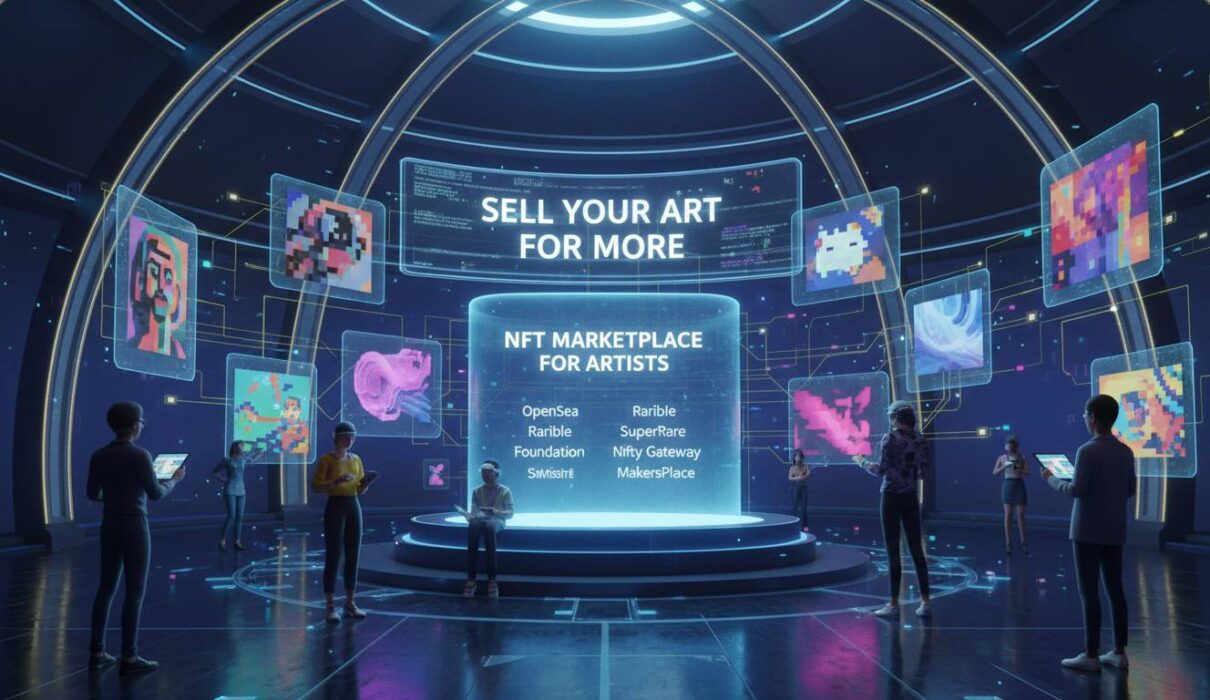
By The global NFT market has transformed how digital artists monetize their work, with billions traded annually across specialized platforms. For artists seeking to sell their creations as NFTs, choosing the right marketplace can mean the difference between consistent sales and forgotten collections. This comprehensive guide examines the best NFT marketplaces for artists in 2025, comparing fees, features, audiences, and strategies to maximize your earnings.
Understanding NFT Marketplaces for Artists
An NFT (non-fungible token) marketplace is a digital platform where creators can mint, list, and sell their artwork as unique digital certificates. These marketplaces operate on blockchain networks, typically Ethereum or Solana, providing verified ownership and automatic royalty payments to artists on secondary sales.
The artist-focused marketplace ecosystem has matured significantly since the 2021 boom, with platforms now competing on fee structures, creator tools, community features, and curation quality. For German artists and those targeting European buyers, understanding these differences proves essential for maximizing revenue while complying with local tax obligations on crypto transactions.
Most NFT marketplaces function similarly: you connect a crypto wallet, upload your digital artwork, set your price (or auction format), and receive payment in cryptocurrency when sold. The key differentiators lie in audience size, fee competitiveness, discoverability features, and the type of collector each platform attracts.
Top NFT Marketplaces Compared
OpenSea
OpenSea remains the largest general-purpose NFT marketplace by trading volume, offering artists access to the broadest possible audience. The platform supports multiple blockchains including Ethereum, Polygon, and Solana, providing flexibility for artists concerned about gas fees.
Fees: OpenSea charges a 2.5% fee on all sales, with creators receiving the remaining 97.5%. Additional blockchain network fees (gas) apply for minting on Ethereum, though Polygon and Solana options minimize these costs.
Best for: Established artists seeking maximum visibility, beginners wanting to test the market, and creators selling various digital formats including art, photography, and 3D models.
The platform’s OpenSea Pro aggregation feature has improved collector discovery, while the Blur integration offers advanced analytics for serious sellers. However, the sheer volume of listings means new artists face significant competition for attention.
Foundation
Foundation has positioned itself as a premium, curated marketplace emphasizing quality over quantity. Unlike open platforms, Foundation requires invitation or community nomination for artists to mint work, creating an exclusive environment that attracts serious collectors.
Fees: Foundation charges a 5% platform fee on primary sales, with artists setting their own royalty rates (typically 10%). Secondary market royalties ensure ongoing earnings from resales.
Best for: Digital artists producing high-quality, distinctive work seeking recognition among serious collectors.
The curation model means Foundation’s average sale prices significantly exceed general marketplaces. Artists invited to join the “Foundation” gain access to a community of dedicated NFT collectors willing to pay premium prices for vetted work.
Rarible
Rarible offers one of the most creator-friendly fee structures in the industry with its RARI token governance model. Artists can launch their own branded storefronts, creating independent marketplaces within the platform.
Fees: Rarible charges 2.5% on primary sales, with optional creator royalties up to 15% on secondary sales. The platform operates on Ethereum, Polygon, and Flow blockchains.
Best for: Artists wanting branded storefronts, those seeking community governance participation, and creators wanting multi-chain exposure.
Rarible’s aggregator features allow collectors to browse across multiple marketplaces, improving visibility for listed works. The platform’s focus on community building makes it attractive for artists with existing followings looking to launch dedicated spaces.
SuperRare
SuperRare takes a distinctive approach by emphasizing artist identity and long-term relationships with collectors. The platform functions almost like a social network, with artists building profiles that collectors can follow and support through continuous engagement.
Fees: SuperRare charges a 3% platform fee on primary sales, with artists receiving 10% from secondary sales. The platform distinguishes itself through its curation and artist support programs.
Best for: Artists prioritizing community building, those seeking ongoing collector relationships, and creators wanting exposure through SuperRare’s editorial features.
The time-based curation system (works are featured for 24-hour periods) ensures quality content receives attention regardless of artist popularity. German artists particularly appreciate SuperRare’s European base and compliance with EU regulations.
Nifty Gateway
Nifty Gateway, owned by Gemini exchange, offers a credit-card-friendly approach that significantly lowers the barrier to entry for collectors without cryptocurrency experience. This accessibility translates to larger potential buyer pools for artists.
Fees: Nifty Gateway charges 5% on primary sales plus $0.50 per transaction. Artists set their own secondary market royalties (typically 10%).
Best for: Artists targeting mainstream collectors, those wanting to reach buyers without crypto knowledge, and creators seeking high-profile drops.
The platform’s curated drops and VIP collector network provide exceptional sales opportunities for accepted artists. However, the application process remains competitive, with Nifty Gateway carefully selecting creators for its program.
Best Platforms for Different Artist Needs
Choosing the right marketplace depends on your specific situation, goals, and artistic style. Here’s a breakdown of the optimal choices for different scenarios:
| Artist Type | Recommended Platform | Primary Reason |
|---|---|---|
| Beginners | OpenSea / Rarible | Low barrier to entry, large audience |
| Premium Artists | Foundation | Curated quality, higher prices |
| Community-Focused | SuperRare | Relationship building, long-term support |
| Mainstream Target | Nifty Gateway | Credit card buyers, accessible |
| Multi-Chain Artists | OpenSea / Rarible | Multiple blockchain support |
For German artists specifically, SuperRare and Foundation offer European legal compliance and community alignment. OpenSea and Rarible provide the advantage of European customer support and GDPR-compliant operations, important considerations for creators concerned about data protection.
How to Choose the Right Marketplace
Selecting an NFT marketplace requires evaluating several critical factors beyond simple fee comparisons:
Audience Alignment: Different platforms attract distinct collector demographics. Foundation collectors seek premium, unique pieces. Nifty Gateway buyers often prefer accessible, recognizable art. SuperRare audiences value ongoing artist relationships. Understanding where your art fits determines listing success.
Fee Structure Analysis: While 2.5% versus 5% seems significant, secondary royalty rates often matter more for artists building long-term careers. A marketplace with higher platform fees but stronger secondary sales can outperform cheaper alternatives.
Blockchain Considerations: Ethereum remains dominant but faces high gas fees during network congestion. Polygon offers near-zero transaction costs, making it ideal for affordable drops. Solana attracts price-sensitive collectors with minimal fees, though liquidity varies.
Curation versus Accessibility: Curated platforms like Foundation and Nifty Gateway limit competition but require application approval. Open marketplaces provide immediate access but demand stronger marketing efforts for visibility.
Withdrawals and Payments: Consider how you’ll convert crypto to euros. Platforms integrated with exchanges (like Nifty Gateway with Gemini) offer simpler fiat withdrawal processes, valuable for artists wanting regular income in euros.
Tips for Maximizing Your NFT Sales
Success on NFT marketplaces requires more than simply listing artwork. Implement these strategies to improve your sales performance:
Build Before You Launch: Establish social media presence, grow an email list, and develop collector relationships before minting. Artists with existing audiences consistently outperform those relying solely on marketplace discoverability.
Create Collections: Series of related works encourage multiple purchases and build collector loyalty. Offering variations, editions, or complementary pieces increases average order value.
Engage Actively: Respond to comments, participate in community discussions, and collaborate with other artists. Visibility within platform communities directly impacts discoverability and sales.
Time Your Drops: Research when your target audience is most active. European artists selling to American collectors may benefit from afternoon European timing, capturing both markets.
Leverage Royalties Strategically: Setting competitive secondary market royalties attracts serious collectors who know they’ll benefit from future appreciation. Many successful artists offer 10-15% secondary royalties.
Optimize Metadata: Use descriptive titles, detailed descriptions, and relevant tags. Include your social links and backstory—collectors increasingly value artist narratives and authenticity.
Common Mistakes to Avoid
New NFT artists frequently undermine their success through preventable errors:
Ignoring Gas Fees: Minting on Ethereum during peak periods can cost €20-50 per transaction. Use gas tracking tools or switch to Polygon for cost-effective minting until you’re established.
Poor-Quality Presentation: Low-resolution images, missing previews, or inconsistent formatting signals amateurism. Professional presentation includes high-resolution images, multiple angles, and clear file specifications.
Setting Unrealistic Prices: Research comparable sales before pricing. Overpriced work fails to sell, while underpriced work undervalues your career trajectory. Consider starting with auction formats to discover market value.
Neglecting Rights Management: Clearly communicate usage rights in your listing descriptions. European collectors particularly value clarity around commercial usage and reproduction rights.
Platform Hopping: Spreading across too many marketplaces fragments your visibility and community. Establish presence on one platform before expanding.
Ignoring Tax Obligations: German NFT sellers must declare crypto gains as capital gains or business income. Consult a tax advisor familiar with German crypto taxation before launching significant operations.
Frequently Asked Questions
Which NFT marketplace has the lowest fees for artists?
Rarible and OpenSea offer the lowest platform fees at 2.5% on primary sales. However, blockchain network fees (gas) significantly impact total costs on Ethereum. Polygon-based listings on OpenSea eliminate these fees, making it the most cost-effective option for new artists.
Can I sell NFTs on multiple marketplaces simultaneously?
Yes, you can list the same artwork on multiple marketplaces, though some platforms restrict this for exclusive releases. Most artists choose single-platform exclusivity for significant drops to maintain scarcity perception and collector engagement.
How do German tax laws affect NFT sales?
German tax treatment of NFTs depends on whether they’re classified as art or cryptocurrency. Gains from occasional NFT sales may qualify as tax-free after one year if classified as private disposal. Regular or professional NFT trading constitutes business income subject to income tax. Consult a German tax advisor for specific guidance.
What file formats do NFT marketplaces accept?
Most marketplaces accept common digital formats including PNG, JPG, GIF, MP4, and WebM. File size limits vary—OpenSea allows up to 100MB per file. Consider including multiple formats or high-resolution options for serious collector interest.
How do I get discovered as a new artist on NFT marketplaces?
Build presence through social media, collaborate with established artists, participate in platform community events, and create consistent, quality collections. Many successful artists attribute their breakthrough to collector support rather than organic marketplace discovery alone.
What happens if my NFT doesn’t sell?
Unsold NFTs remain listed until you remove them or the listing expires. Consider adjusting prices, improving presentation, or relisting during higher-traffic periods. Failed sales don’t negatively impact your account—many artists relist work successfully later.
Conclusion
The NFT marketplace landscape offers genuine opportunities for digital artists willing to navigate its complexities. Success requires strategic platform selection, realistic expectations, and sustained community engagement rather than simply minting and waiting.
For most artists beginning their NFT journey, OpenSea provides the optimal balance of audience size, accessibility, and multi-chain flexibility. Established creators seeking premium pricing should prioritize Foundation or SuperRare. Artists targeting mainstream collectors without crypto knowledge benefit from Nifty Gateway’s accessible purchasing experience.
Regardless of platform choice, remember that NFT success mirrors traditional art careers: it demands exceptional work, business acumen, and patient relationship building. The marketplaces have matured—the opportunity remains genuine for artists willing to invest thoughtfully in their digital presence and collector communities.