
 By
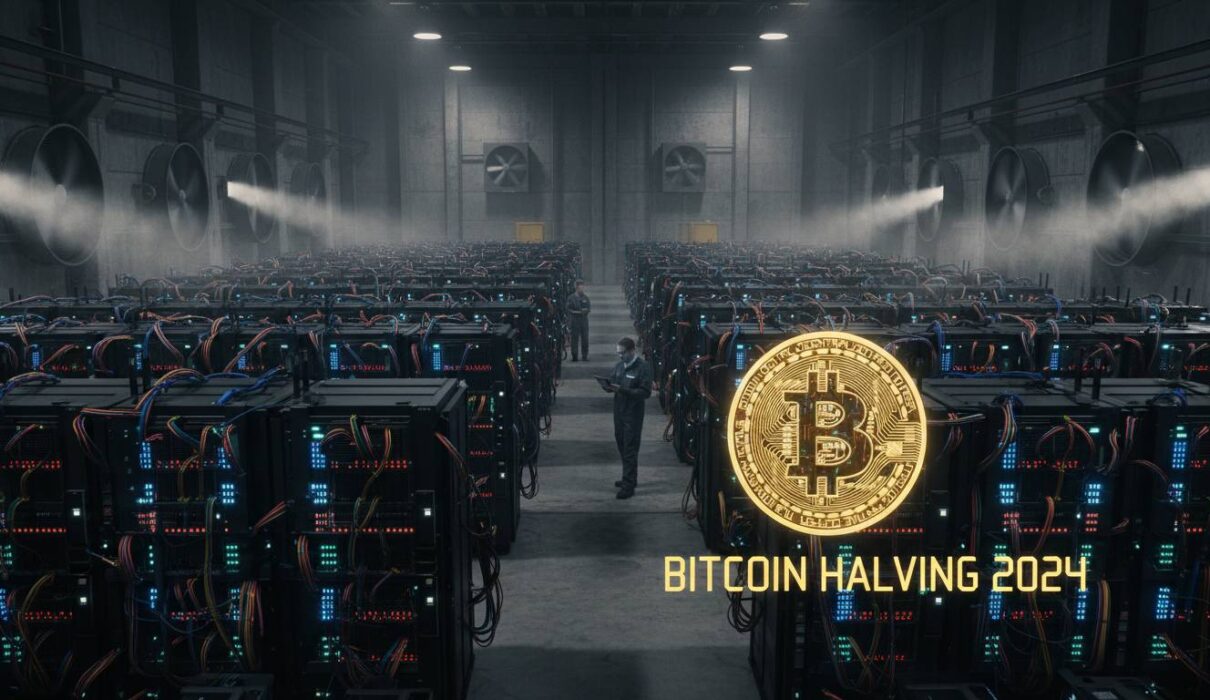
By The Bitcoin halving event of 2024 arrived on April 20, when the network reached block height 840,000. This marked the fourth time Bitcoin’s block reward dropped by half—from 6.25 BTC to 3.125 BTC per block. Investors, miners, and market observers are watching what comes next.
Understanding Bitcoin Halving
Bitcoin’s code automatically reduces the block reward paid to miners by 50% approximately every four years, or after every 210,000 blocks have been mined. This ensures the total supply never exceeds 21 million coins.
The mechanism reflects Bitcoin’s deflationary philosophy. By slowing how fast new coins enter circulation, halving events create scarcity that influences market behavior. Unlike fiat currencies that central banks can print arbitrarily, Bitcoin’s supply schedule is fixed and transparent.
“Halving is perhaps Bitcoin’s most distinctive feature from a monetary policy standpoint,” said Marcus Chen, senior analyst at Coinbase. “It creates a predictable supply shock that the market prices in, whether before or after the event.”
Historical Performance
Looking at past halvings helps set expectations:
2012: First halving, reward dropped from 50 BTC to 25 BTC. Prices rose over the following months, though at much smaller absolute values than today.
2016: Second halving, reward dropped from 25 BTC to 12.5 BTC. Bitcoin climbed from around $650 to nearly $20,000 by December 2017.
2020: Third halving, reward dropped from 12.5 BTC to 6.25 BTC. This occurred during pandemic stimulus. Bitcoin later peaked above $69,000 in November 2021.
Prices have appreciated substantially after each halving, though timing and magnitude varied. The market has also changed—more institutional money and greater regulatory scrutiny now exist.
The 2024 Halving: What Changes
With the reward now at 3.125 BTC, miners face immediate profitability pressure. Operating costs (energy, hardware, facilities) don’t drop when revenues halve, so margins compress.
Smaller mining operations may struggle. Larger players with cheaper electricity and efficient equipment could strengthen their position.
Transaction fees grow more important as block rewards shrink. Eventually—around 2140 when all 21 million coins are mined—fees will be the only incentive for miners.
Impact on Different Groups
Mining Operations
Profit margins tighten immediately. Energy costs and hardware expenses stay constant while revenue drops 50%.
Modern ASIC miners are more efficient than earlier models, helping offset some impact. Many operations have moved to regions with cheap electricity, particularly areas with renewable energy.
Institutional Investors
Exchange-traded products (ETPs) holding Bitcoin have seen strong inflows. This gives traditional investors regulated access to crypto markets.
Asset managers have added Bitcoin to diversified portfolios as an inflation hedge. The 2024 halving reinforces Bitcoin’s scarcity narrative, which appeals to institutions seeking alternatives to gold or fiat currencies.
Retail Investors
Individual investors make up a significant portion of Bitcoin ownership. The halving generates media coverage and social media discussion, often driving retail interest spikes.
Caution is warranted. The market has already priced in anticipated supply reductions to some degree. Timing-based strategies rarely work well in crypto.
Price Outlook
Predicting price movements is notoriously difficult. Some analysts use stock-to-flow models correlating scarcity with higher prices. Critics note these models have failed to account for various market variables.
“The relationship between halving and price appreciation isn’t automatic or immediate,” said Sarah Wong, researcher at Chainalysis. “The market anticipates the supply reduction, so much of the price impact often occurs before the event. Post-halving performance depends on broader economic conditions and sentiment.”
Current conditions include elevated interest rates, geopolitical uncertainty, and evolving regulations—factors that may decouple Bitcoin from historical halving patterns.
Regulatory Landscape
The regulatory environment has matured since 2020. The European Union’s MiCA regulation is the most significant recent development. In the United States, ongoing discussions about regulatory clarity continue to affect market dynamics.
Clearer regulations give institutional investors more confidence, potentially amplifying price movements around major events. Restrictive rules could dampen participation.
Conclusion
The 2024 halving is a significant moment in Bitcoin’s evolution. Historical patterns suggest potential price appreciation, but this cycle differs from previous ones—more institutional money, different macroeconomic conditions, and greater regulatory attention exist.
Understanding the technical mechanisms, stakeholder impacts, and broader market context helps investors make informed decisions. The 2024 halving reinforces Bitcoin’s approach to scarcity.
As always, investors should research thoroughly, assess risk tolerance, and diversify. Crypto volatility remains high. Past performance doesn’t guarantee future results.
Frequently Asked Questions
When did the Bitcoin 2024 halving occur?
April 20, 2024, at approximately 12:09 UTC, at block height 840,000. The block reward dropped from 6.25 BTC to 3.125 BTC.
How does halving affect price?
Prices have appreciated significantly after previous halvings, though timing varied. Reduced supply growth creates scarcity that markets often price in. Multiple factors influence price movements beyond halving alone.
Will mining remain profitable?
Profitability depends on Bitcoin’s price, electricity costs, hardware efficiency, and operational expertise. Efficient operations with low energy costs can remain profitable. The industry may consolidate as smaller players face pressure.
How much Bitcoin has been mined?
About 19.6 million BTC by the 2024 halving, leaving roughly 1.4 million coins remaining until approximately 2140.
Should I buy before or after the halving?
No definitive answer exists. Markets often anticipate supply reductions, so prices may already reflect expected changes. Long-term holding strategies typically outperform timing attempts in volatile markets.
What happens after all 21 million Bitcoin are mined?
Miners will no longer receive block rewards. Transaction fees will be the sole incentive for validating transactions and maintaining network security. This transition is expected around 2140.