
 By
By Cryptocurrency staking has become one of the most popular ways to earn passive income in the digital asset space. By locking up your tokens to support a blockchain network, you can earn rewards—often yielding significantly higher returns than traditional savings accounts. However, staking isn’t without risks. From validator failures and smart contract bugs to lock-up periods and slashing penalties, many investors have lost money by jumping in without proper knowledge. This comprehensive guide breaks down exactly how to stake crypto safely, avoid the most costly mistakes, and maximize your returns while minimizing risk exposure.
What Is Crypto Staking and How Does It Work?
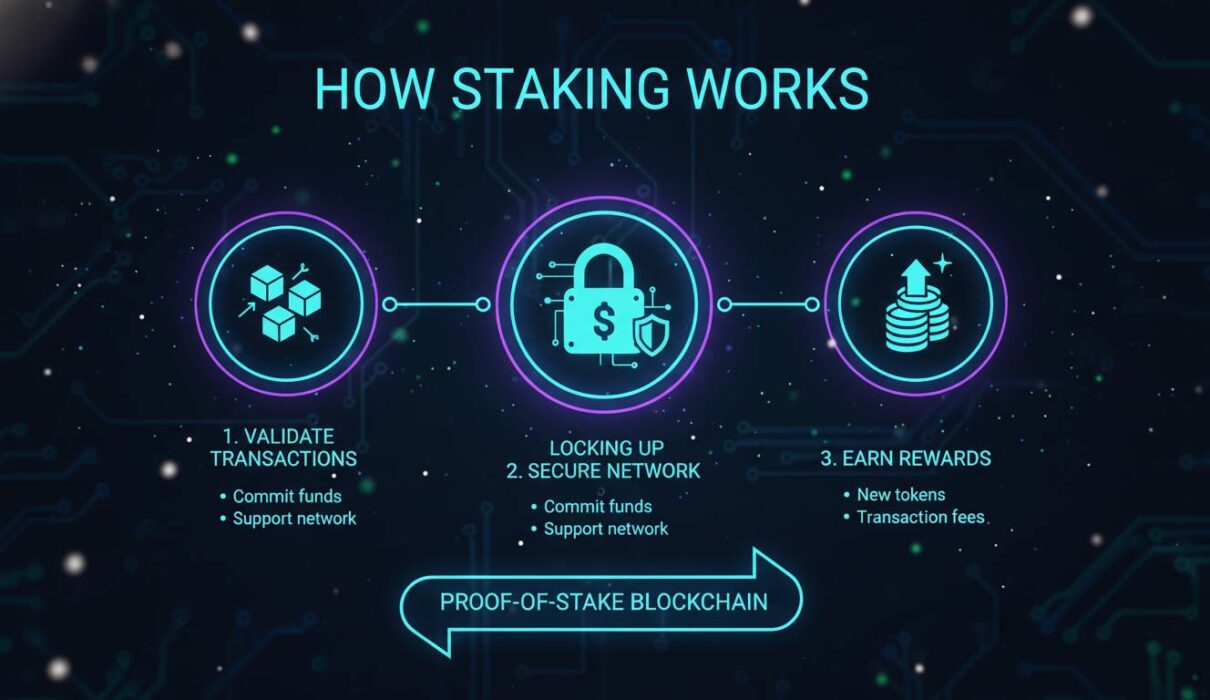
Staking is the process of participating in a proof-of-stake (PoS) blockchain network by locking up a certain amount of cryptocurrency as collateral. In return, validators (or stakers) are chosen to confirm transactions and create new blocks—and they earn rewards for their contribution. Unlike proof-of-work mining, which requires expensive hardware and massive electricity consumption, staking is relatively accessible and energy-efficient.
When you stake your tokens, they remain in your wallet but become designated as collateral for network operations. The blockchain algorithm randomly selects validators based on the amount they have staked (and sometimes for how long), meaning larger stakes generally mean more frequent opportunities to earn rewards. These rewards come from transaction fees and, in some cases, newly minted tokens.
Key terms to understand:
- Validator: A participant in the network who proposes and confirms new blocks
- Delegation: Allowing a third party to stake on your behalf (common in networks like Cardano and Solana)
- Lock-up period: The time your tokens must remain staked before you can withdraw them
- Slashing: A penalty where a portion of staked tokens is removed for malicious behavior or downtime
Understanding the Risks of Staking
Before earning a single reward, you must understand what can go wrong. Staking involves several distinct risk categories that can lead to partial or total loss of your investment.
Smart Contract and Platform Risk
If you stake through a centralized exchange or a DeFi protocol, you are trusting that platform’s code and security. Hacks, exploits, and rug pulls have resulted in billions of dollars in losses across the crypto ecosystem. The collapse of major platforms like FTX demonstrated that even established exchanges can fail catastrophically.
Slashing Risk
Validators who act maliciously or experience prolonged downtime may be “slashed”—meaning a portion of their staked tokens is automatically burned as a penalty. While casual stakers using delegation services are generally protected from slashing, those running their own validators face direct financial consequences.
Impermanent Loss
In decentralized finance (DeFi) staking pools that pair your token with another asset (common in liquidity staking), you may experience impermanent loss. This occurs when the price ratio between the two assets changes significantly, reducing the overall value of your holdings—even if you continue earning rewards.
Market Volatility
The cryptocurrency market is notoriously volatile. While you’re earning staking rewards (typically 3-12% annually), your staked tokens may lose 50% or more of their value during a bear market. Staking rewards rarely compensate for significant token depreciation.
Lock-Up Risk
Many staking positions require your tokens to remain locked for days, weeks, or even months. During this time, you cannot sell or transfer your holdings. If the market crashes or you need liquidity, you may be forced to wait—or in some cases, pay early withdrawal penalties.
How to Stake Crypto Safely: A Step-by-Step Approach
Step 1: Choose the Right Blockchain Network
Not all staking opportunities are created equal. Research networks with strong track records, active development communities, and clear economic models. Networks like Ethereum (ETH), Cardano (ADA), Solana (SOL), and Polkadot (DOT) are considered established options with lower risk profiles than newer or less-tested chains.
Consider these factors:
- Network maturity: How long has the network been operational?
- Validator count: More validators generally mean better decentralization and security
- Tokenomics: Does the network have sustainable reward inflation?
- Governance: Are there clear protocols for upgrades and dispute resolution?
Step 2: Select Your Staking Method
You have three primary options:
Hardware Wallet Staking: Using a hardware wallet (like Ledger or Trezor) to stake directly on the network offers the highest security. Your private keys never leave the device. However, you typically need a significant minimum stake to run your own validator, and technical knowledge is required.
Staking through Centralized Exchanges: Platforms like Coinbase, Binance, and Kraken offer staking services with low minimums and user-friendly interfaces. While convenient, you don’t control your private keys, and the exchange could face issues. Fees are generally higher than other methods.
DeFi Protocol Staking: Decentralized platforms like Lido, Rocket Pool, and Marinade Finance allow you to stake without running infrastructure. They issue liquid staking tokens (like stETH) so you maintain liquidity while earning. These carry smart contract risk but often offer better returns.
Step 3: Calculate True Costs and Expected Returns
Never look at advertised APY in isolation. Factor in all costs to determine your actual net return:
| Cost Factor | Typical Range | Notes |
|---|---|---|
| Commission fees (CEX/DeFi) | 10-25% of rewards | Reduces effective yield significantly |
| Gas/transaction fees | $5-$100+ per transaction | Higher during network congestion |
| Token inflation | 3-8% annually | New tokens minted to pay rewards |
| Lock-up opportunity cost | Variable | Cannot sell during staking period |
Example Calculation:
If you stake $10,000 in a token offering 8% APY, but pay 15% in platform fees and the token inflates at 5% annually, your real return could be closer to 2-3%—barely above traditional savings rates.
Step 4: Diversify Your Staking Portfolio
Never stake your entire cryptocurrency portfolio in one network or method. Spread your staked assets across:
- Multiple blockchain networks (reduces single-chain risk)
- Both centralized and decentralized platforms (reduces counterparty risk)
- Different lock-up periods (maintains some liquidity)
A balanced approach might look like: 40% in established networks like Ethereum, 30% in mid-cap networks, and 30% in liquid staking DeFi protocols.
Common Mistakes That Lead to Losses
Mistake #1: Chasing Highest APY
The advertised staking yield is rarely what you actually earn. Platforms offering 20%+ APY often have unsustainable economics, hidden fees, or elevated risk. Always read the fine print and calculate your expected net return.
Mistake #2: Not Understanding Lock-Up Terms
Many investors stake their tokens without checking when they can access them. During the 2022 market crash, countless Ethereum stakers were locked out of their holdings while watching prices plummet. Always verify lock-up periods before committing.
Mistake #3: Staking on Unverified Platforms
Before depositing tokens anywhere, research the platform thoroughly. Look for:
- Third-party security audits
- Insurance or reserve funds
- Transparent fee structures
- Track record and community reputation
- Whether the team is publicly identified
Mistake #4: Ignoring Tax Implications
In many jurisdictions—including Germany—staking rewards are considered taxable income. Failing to report staking income can result in penalties. Keep detailed records of all rewards received and their value at the time of receipt.
Mistake #5: Not Running a Backup Node
If you operate your own validator, hardware failure, power outages, or internet disruptions can lead to slashing penalties. Redundant hardware, UPS backup systems, and multiple network connections are essential for professional-grade staking.
Best Practices for Risk-Aware Staking
Start with small amounts: Before committing significant capital, test any platform or method with a small stake. Withdraw and verify the process works before increasing your position.
Use hardware wallets for large holdings: If you are staking substantial value, invest in a hardware wallet and learn to stake directly or through non-custodial protocols.
Monitor your positions regularly: Staking is not a “set and forget” activity. Check validator performance, platform security announcements, and token economics periodically.
Keep private keys secure: Never share your seed phrase or private keys with anyone. No legitimate platform will ever ask for this information.
Stay informed about network upgrades: Blockchain networks evolve. Protocol changes can affect reward rates, lock-up requirements, or even render certain staking methods obsolete.
Consider tax-advantaged accounts: In Germany, crypto assets held for over one year may qualify for capital gains tax exemptions. Consult a tax professional to optimize your strategy.
Comparing Staking Methods
| Method | Security Level | Minimum Required | Fees | Liquidity | Best For |
|---|---|---|---|---|---|
| Hardware Wallet (Direct) | Highest | High ($10K+) | Low | Low | Large holders, technical users |
| Centralized Exchange | Medium | Low ($10+) | Medium | High | Beginners, convenience seekers |
| DeFi Liquid Staking | Medium | Low ($100+) | Medium | High | Yield optimization |
| Delegation Services | Medium-High | Low ($100+) | Medium | Medium | Balanced approach |
Frequently Asked Questions
Is staking safer than holding cryptocurrency?
Staking is not inherently safer than holding. While you earn rewards, you also accept additional risks including smart contract vulnerabilities, slashing penalties, and lock-up restrictions. Holding (or “HODLing”) keeps your tokens liquid and avoids platform risk, though you miss out on staking income.
What happens if I need to unstake my tokens during an emergency?
This depends entirely on the network and platform. Ethereum’s staking contract initially had no unstaking mechanism, though recent upgrades have introduced partial withdrawals. Centralized exchanges typically allowunstaking within 24-48 hours. DeFi protocols vary widely—some have instant unstaking through liquidity pools, while others impose multi-day waiting periods. Always verify withdrawal terms before staking.
Can staking rewards be lost or become worthless?
Yes. If the token’s market price drops significantly, your staking rewards may not compensate for the loss in principal value. Additionally, if a blockchain undergoes a “tokenomic change” or a DeFi protocol fails, your staked assets could become worthless. This is why proper risk management is essential.
How much money can I make from staking crypto?
Annual staking rewards typically range from 3-12% for established networks, though some newer or smaller networks advertise 15-25% or higher. However, after accounting for fees, inflation, and token depreciation, your actual net return is often substantially lower. Past performance does not guarantee future results.
Is crypto staking legal in Germany?
Yes, crypto staking is legal in Germany. The Federal Financial Supervisory Authority (BaFin) considers staking rewards as taxable income. If you hold crypto for more than one year, any gains from staking may be exempt from capital gains tax, though this applies to the tokens themselves—not necessarily to the staking rewards received during that period. Consult a German tax professional for personalized guidance.
What’s the minimum amount needed to start staking?
This varies significantly by network and method. Some centralized exchanges allow staking with as little as $10. Running your own validator typically requires $10,000 or more due to minimum stake requirements and hardware costs. DeFi liquid staking protocols often have low minimums, sometimes starting at $100 or less.
Conclusion
Staking can be a profitable way to earn passive income on your cryptocurrency holdings—but it requires careful research, realistic expectations, and robust risk management. The most common path to losing money is chasing high yields without understanding the underlying risks, using unverified platforms, or failing to calculate true net returns after fees and inflation.
Start conservatively by testing with small amounts, using reputable platforms, and diversifying across multiple methods. Monitor your positions regularly and stay informed about changes in network economics or platform security. By approaching staking as an informed investor rather than a gambler seeking quick profits, you can meaningfully reduce your risk of losing money while potentially earning solid returns in the growing cryptocurrency ecosystem.
Disclaimer: This article is for educational purposes only and does not constitute financial advice. Cryptocurrency investments carry substantial risk, including the possible loss of principal. Consult with licensed financial and tax professionals before making investment decisions.