
 By
By Decentralized finance, or DeFi, is changing how people think about money. Instead of going through banks or other middlemen, DeFi uses blockchain technology to let people lend, borrow, trade, and earn interest directly with each other. It started as a niche idea in 2019 and has grown into a massive ecosystem handling billions of dollars. This guide covers what DeFi is, how it works, and what you should know before getting involved.
Understanding the Foundations of Decentralized Finance
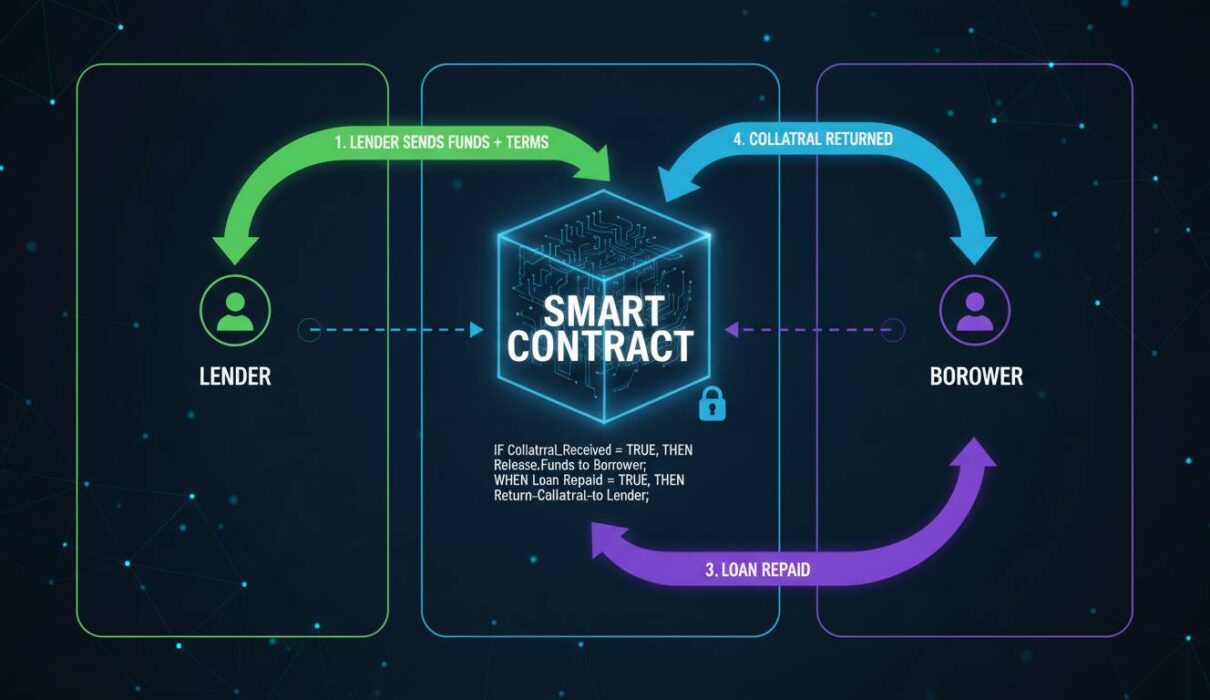
DeFi refers to financial apps built on blockchain networks—Ethereum is the biggest one. The core idea is simple: remove the middleman using smart contracts, which are programs that automatically enforce agreements when conditions are met.
DeFi includes decentralized exchanges, lending platforms, borrowing services, yield farming, stablecoins, and insurance protocols. No single company runs these platforms. Instead, users hold governance tokens that give them a vote in how the protocol operates. The code is usually open-source, meaning anyone can look at it, audit it, or build on top of it.
Traditional finance relies on centralized authorities—banks, clearinghouses, regulators—to control access, verify transactions, and keep records. DeFi flips this. A global network of computers validates transactions through consensus mechanisms. The goal is more accessibility, lower costs, better transparency, and fewer single points of failure.
How DeFi Works: Technology and Mechanisms
Smart contracts are the foundation. When you lend crypto through a DeFi protocol, the smart contract automatically sends interest payments to you and enforces collateral rules for the borrower. Nothing physical needs to be signed. The code just runs.
Oracles feed real-world data into DeFi apps—things like asset prices. Without oracles, lending platforms wouldn’t know when to liquidate undercollateralized positions or how to set interest rates.
Decentralized exchanges let you trade cryptocurrencies straight from your wallet. No need to deposit funds on a centralized exchange. These platforms use automated market makers—math formulas that set token prices based on supply and demand in liquidity pools. People who provide liquidity to these pools earn a share of the trading fees.
Everything on a public blockchain is transparent. Anyone can verify any transaction. The code behind DeFi protocols can be inspected by security researchers. This level of auditability doesn’t exist in traditional finance.
Major DeFi Platforms and Protocols
Uniswap is the biggest decentralized exchange by volume, handling billions in trades daily. You can swap ERC-20 tokens from your wallet without creating an account or going through Know Your Customer checks.
Aave and Compound are leading lending protocols. You can deposit crypto and earn interest, or borrow assets by putting up collateral. Interest rates adjust dynamically based on demand. Anyone with a wallet and internet connection can participate.
MakerDAO created Dai, a stablecoin pegged to the US dollar. You lock collateral in a smart contract to generate Dai. It’s censorship-resistant and works without banks. This has been especially useful in countries with unstable currencies or limited banking access.
Curve Finance focuses on stablecoin swaps, letting people trade between different stablecoins with minimal price impact. It’s become essential infrastructure in the DeFi space.
Benefits and Opportunities in Decentralized Finance
About 1.7 billion adults lack access to traditional banking, according to the World Bank. DeFi needs nothing more than a smartphone and internet connection. For many people, this is the first time they’ve been able to save, borrow, or invest without a bank.
Cross-border payments are faster and cheaper. Traditional wire transfers can take days and involve multiple intermediary banks. DeFi transactions settle in seconds or minutes, often for a fraction of the cost. This matters especially for remittances.
DeFi protocols can work together like building blocks. You could borrow against your crypto, use those funds to provide liquidity somewhere else, and earn yield on that—all without asking permission from any institution. This composability lets the ecosystem evolve quickly.
Risks and Challenges Facing DeFi
Smart contract bugs have cost hundreds of millions of dollars. Hackers find vulnerabilities in code and drain funds. The code can’t be patched once it’s on the blockchain. Security has gotten better, but risks remain.
Regulators are still figuring out how to handle DeFi. Governments worldwide are debating rules, and enforcement actions could change everything. The pseudonymous nature of many transactions raises money laundering concerns, which could lead to stricter regulations.
Crypto prices are volatile. If you borrow against your holdings and prices drop, you can get liquidated and lose your collateral. During market crashes, cascading liquidations have amplified price drops and caused massive losses.
The Future of Decentralized Finance
DeFi will probably keep growing as the technology improves and more institutions get involved. Banks and investment firms are starting to explore blockchain-based services for settlement and borrowing. They see efficiency gains, and their involvement brings more money and expertise.
Layer 2 solutions and newer blockchains are solving speed and cost problems. These developments let more complex apps run efficiently without giving up security. Cross-chain bridges are connecting separate DeFi ecosystems, creating more liquidity and flexibility.
Whether you’re investing, building, or just curious, understanding DeFi gives you a window into where finance might be heading. Challenges remain, but the basic promise—financial services that are more open, transparent, and efficient—keeps driving growth.
Frequently Asked Questions
What is DeFi in simple terms?
DeFi means financial services built on blockchain that work without banks or other middlemen. Smart contracts handle lending, borrowing, trading, and earning interest directly between people.
How do I get started with DeFi?
Get a cryptocurrency wallet that works with the blockchain you want to use—usually Ethereum. Connect your wallet to a DeFi app through its website. Start small, learn how things work, and understand that you could lose your money.
Is DeFi safe to use?
No. DeFi has major risks: buggy code, wild price swings, and unclear regulations. Only invest what you can afford to lose. Use protocols with audited code and do your research first.
What are the main benefits of DeFi?
Financial inclusion for people without bank accounts, lower transaction fees, faster settlements, transparency, and ways to earn interest on crypto holdings.
What is yield farming in DeFi?
Yield farming means moving your crypto between different DeFi protocols to chase the highest returns. It’s complex and risky, usually involving governance tokens and understanding how different platforms reward users.
How does a stablecoin work in DeFi?
Stablecoins like Dai or USDC track the value of a fiat currency—usually the US dollar. They let you trade, lend, borrow, and earn yields without the extreme volatility of regular cryptocurrencies.